Growth based on nodes and corridors, diverse product and creative financing are key to avoiding that fate, says Calgary’s new city planner Rollin Stanley
The greatest challenge in growing cities is finding a way to increase population and improve infrastructure without becoming so costly that people can’t afford to live close to where they work, says Rollin Stanley, Calgary’s new planning manager. That means doing things differently than what has happened in other places.
I’m going to be focusing on nodes and corridors to try and show that the potential to grow in places where we’ve already serviced can lower the cost to bring product to market and lower the city costs,” said Stanley. “And hopefully provide more diversity in the product that we have in terms of style and affordability.”
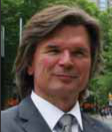
When Stanley talks about “nodes,” he means mixed residential, commercial and industrial sectors, which are served by transportation, sewage, power and other services in corridors.
Developing Calgary using nodes and corridors
Developing using nodes and corridors “means higher densities around the transit stations—most people know this—and using that to help offset the costs of lower density development. It’s also about thinking about product that’s closer into the jobs in the downtown, for example, or using our land near our office parks, and using the corridors that lead to these places to start bringing in new uses so that people can live closer to where they work.”
Rollin Stanley’s Background
Stanley’s ideas about sustainable urban planning come from a wide range of experiences. He spent the past four years as planning director for Montgomery County, Maryland, a suburban community surrounding Washington, DC. Prior to that, he spent six years as planning director for the City of St. Louis and served the first 21 years of his planning career with the city of Toronto. He also volunteers with the American Planning Association and has visited China to consult about one community’s water use and diversifying another city’s economy away from coal. In the United States, he’s spent time in Atlanta reworking their planning structure and in Louisiana working out ways to rebuild after Hurricane Katrina.
His diverse experiences will help him bring new ideas to Calgary and Canada, he says, particularly when it comes to creative options about financing growth. He says that he’s been involved in floating bonds to finance infrastructure, offering tax credits to restore heritage areas or develop unused sectors, and encouraging renovation by maintaining taxes at unimproved levels for specific periods of time.
Enthusiasm about Alberta
“One of the great things about Alberta right now is that Calgary and Edmonton are looking at creating city charters and asking the province for authority to do certain things,” he said. “As part of that discussion, I’m going to help out by bringing in the kinds of things I did in the States, and using the States as examples of ways of financing infrastructure. The greatest challenge in the United States today is financing infrastructure and it will be here too.”
Note: This article was written using a taped interview with Stanley by Michel Rémy. It appeared on pages 48-50 in Canada’s Leading Real Estate Forum Magazine, Fall 2012.
Rollin Stanley spoke to Knox United Church about planned density in February 2013. He’s uploaded his presentation to Youtube at:
